推荐地址
猜你喜欢

- 1. 他展示的生活 HD中字
- 2. Its Presence Between Us 更新至HD
- 3. 真假学园0木更津乱斗篇 正片
- 4. 莉莎与风之电话亭 HD中字
- 5. 滑梯 HD中字
- 6. 未来有你 HD中字
- 7. 解码危机 HD中字
- 8. 绑架亲女儿 正片
- 9. 神经过敏 正片
- 10. 新集体 HD中字
- 11. 现实实验 HD中字
- 12. 男孩的梦想 HD中字
- 13. 诱惑的罪 HD中字
- 14. 漂亮女人 HD中字
- 15. 乐高好朋友:心湖城音乐剧 正片
- 16. 江湖代有蠢才出 正片
- 17. 闹鬼呼啸山庄:诅咒之殇 正片
- 18. 重返办公室 HD中字
- 19. 蜘蛛王国 HD中字
- 20. 无暇顾爱 HD中字
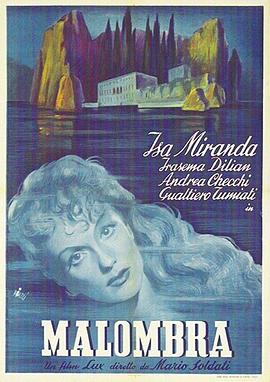
《马隆布拉[电影解说]》剧情简介
This utterly gorgeous Gothic melodrama would be widely hailed as a masterpiece, had it not been made in Italy during the Mussolini regime. A gross injustice, as Malombra - unlike Piccolo Mondo Antico, Mario Soldati's earlier film of an Antonio Fogazzaro novel - contains not one moment of triumphalist flag-waving or Fascist family values. Oddly akin to Rebecca in its atmosphere of death-haunted romance and voluptuous doom, it reaches a peak of visual refinement of which Hitchcock could only dream. Its star is Isa Miranda (famous, and not without reason, as Italy's answer to Garbo and Dietrich) playing a headstrong but unstable young noblewoman, confined by her uncle to a gloomy villa on the shores of Lake Como. A yellowed and crumbling letter, found in an old spinet, convinces her that she is the reincarnation of her uncle's first wife - another troubled beauty who died a virtual prisoner after being caught in a forbidden love affair. When a handsome young writer (Andrea Checchi) comes to stay, Miranda decides that HE is the reincarnation of the dead woman's lover. Gradually, she lures him into her web of sex and revenge... What more to say without spoiling the fun Miranda gives a performance to rival any of the great divas of Hollywood. Only Davis and Stanwyck, perhaps, could play a bad girl so boldly without losing all sympathy. The evocation of 19th century aristocracy, in its full decadent splendour, is visually and dramatically flawless - a model for such later Italian gems as Visconti's Senso and The Innocent. It helped, perhaps, that Soldati himself was a leading novelist. Blessed with an absolute respect for the classics he adapted, but in no way inhibited by them. He was also the guiding spirit of the now-forgotten 'calligraphic' movement, which brought the Italian cinema to such wondrous aesthetic heights during World War Two, only to collapse before the horror of Neo-Realism. Can we blame Soldati for giving up film-making in disgust and going back to writing novels So if you've ever felt (as I do) that Rossellini's much-touted Rome - Open City is the work of an amateur...well, Malombra is the film you have to see!