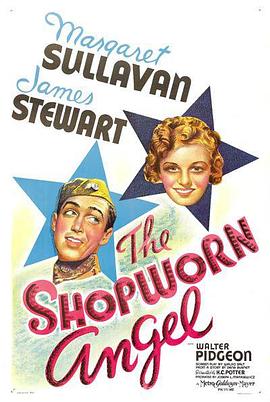
-
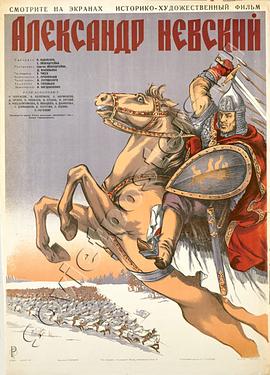
备注:已完结
类型:电影
主演:尼古拉·切尔卡索夫 尼克拉·奥赫洛普科夫 安德烈·阿布里科索夫 Dmi
语言:其它
年代:未知
简介:影片表现了13世纪俄国亚历山大·内夫斯基王子率领军民击溃掠夺成性的德国立窝尼亚条顿骑士的业绩。爱森斯坦借鉴民间叙事诗的技巧,使这一爱国史诗具有明显的壮丽歌剧的风格。条顿骑士入侵俄国后,无恶不作。他们洗劫普斯科夫,吊死爱国者。内夫斯基带领人民群众,以伊格纳特等积极分子为骨干力量,保卫了重镇诺夫哥罗德,消灭了叛徒托瓦尔其洛。最后,在楚德湖的冰面上大败条顿骑士。
-
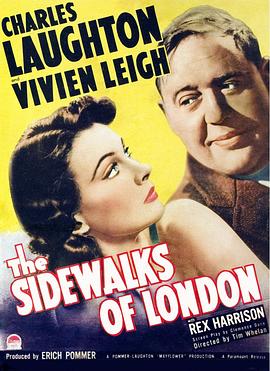
备注:已完结
类型:电影
导演:蒂姆·威伦
语言:英语
年代:未知
简介:查理(查尔斯·劳顿 Charles Laughton 饰)是靠着在街头卖艺维生的小混混,一天,一个名叫利比(费雯·丽 Vivien Leigh 饰)企图抢走查理的卖艺所得,结果被后者抓住,两人不打不相识,查理可怜无家可归流落街头的利比,于是答应带着利比一起表演。 聪明的利比有用极高的表演天赋,她的杰出被名叫潘斯特(雷克斯·哈里森 Rex Harrison 饰)的剧院经理看在眼里。潘斯特邀请利比去剧院演出,利比想带上查理,但被他拒绝了,两人就此分道扬镳。一晃眼多年过去,利比成为了炙手可热的大明星,而查理已久只是在街头流浪的乞丐,这样地位悬殊的两人再度相遇了。
-
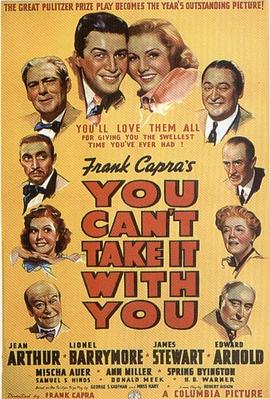
备注:已完结
类型:电影
主演:詹姆斯·斯图尔特 琪恩·亚瑟 莱昂纳尔·巴里摩尔 爱德华·阿诺德 米沙
导演:弗兰克·卡普拉
语言:英语
年代:未知
简介:故事描述华尔街巨子卡比为了赚钱而有意将工厂扩展到住宅区,但遭该地范德霍夫家族强烈反对。范家成员个个性情古怪,次女爱丽丝并在卡比公司担任秘书,又和卡比的儿子托尼相恋,引起卡比的不满。双方的纠纷最后由德高望重的祖父居中调解,卡比也变成乐善好施的慈善家。 改编自获得普立兹奖的百老汇舞台剧,采用喜剧手法宣扬新睦邻的主题,在三十年代面对经济不景气打击的美国老百姓因而感受到人际温情和生活希望,使这部洋溢着乐天思想的影片勇夺当年金像奖最佳影片奖殊荣。导演弗兰克.卡普拉以其一贯兼具讽刺性与娱乐性的手法拍出人情世态的微妙冲突,莱昂内尔.巴里莫尔、琪恩.阿瑟、詹姆斯.斯图尔特等演得也成功。
-
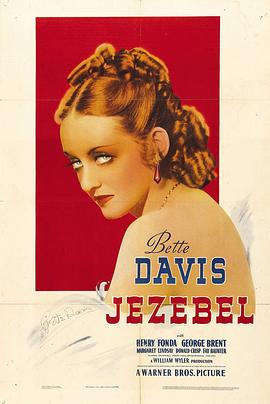
备注:已完结
类型:电影
主演:贝蒂·戴维斯 亨利·方达 乔治·布伦特 玛格丽特·琳赛
导演:威廉·惠勒
语言:英语
年代:未知
简介:贝蒂·戴维丝官司败诉重回华纳,却争取到一定范围内选角权利。此时华纳将制片重责交给新作风的赫尔·华和斯,开始“高成本、精制作”的路线。贝蒂在此情况下感到如鱼得水,很快演出了另一部再度获得金像奖最佳女主角奖的代表作《红衫泪痕》:以南北战争时期美国南方为背景,描述一名个性倔强的美女在任性地失去她的男友之后,再想尽办法将已经找为有妇之夫的他抢回来。此片在划时代的《乱世佳人》出现之前年面世受到好评。贝蒂跟导演威廉·怀勒连续合作了三部影片,确立了贝蒂的超级女星地位。事实上1937年起,贝薷连续十年赢得“票房皇后”的美誉,被推为“美国国影坛第一夫人”,这种殊荣在影坛上相当罕见。假如对贝蒂的银幕形象细心观察,可发现她鲜少扮演善待其它女人的角色,通常是跟别人怨对、抗争,甚至发生激烈的争执,充份显示出“同性相斥”的强烈排挤色彩。同时,贝蒂的角色也证明了女人一样可以强悍无情、咄咄逼人,甚至可以剥夺了一向被视为男性的特权,使男人反要吃女人的亏,可说是首位“女性电影”的诠释者。
-
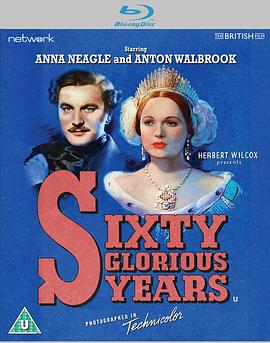
备注:已完结
类型:电影
主演:Anna Neagle Anton Walbrook C. Aubre
语言:英语
年代:未知
简介:Sixty Glorious Years is an exercise in the creation of iconography, both for Victoria and its star, Anna Neagle (who subsequently became known as 'Regal Neagle'). Just as Elizabeth I commissioned artists to create flattering iconic images for public consumption, so this film performs a similar function, for Neagle is more beautiful than the real life Victoria. Controversial events (such as the 'Irish problem') are omitted and unpleasant aspects of Victoria's character (her petulance, arrogance, favouritism and 'right to privilege') are glossed over as endearing little 'whims'. Albert acts as a moderating influence when she goes too far. The film followed a year after the highly successful Victoria the Great (d. Herbert Wilcox, 1937). Again the screenplay is by Miles Malleson and Robert Vansittart, and many of the supporting cast (the cream of acting talent of period) repeat their roles, this time for the colour cameras. This was the first full length Technicolor film of cinematographer Freddie Young, who captures the spectacle of royal weddings, grand balls and opulent interiors, with scenes actually filmed at royal palaces. Vivid battle scenes, set in Alexander Korda's empire territory (Sevastopol and the Sudan), rival those in The Four Feathers (d. Zoltan Korda 1939). The title music sets the tone a regal choir sings over a shot of the crown. Elgar's 1901 'Pomp and Circumstance' march is heard during the diamond jubilee celebrations and, as Victoria's coffin lies in state, the film concludes with Anthony Collins' stately music accompanied by the text of Rudyard Kipling's 'Lest we forget'. Combined with the emotional appeal of scenes of Victoria connecting with her 'ordinary folk', this is stirring stuff. The film connects with contemporary events of 1938. The release of two celebratory royal films was intended to boost public affection for the monarchy in the wake of Edward VIII's abdication. Anglo-German relations were another touchy subject. With another war on the horizon, influential voices wanted appeasement, and the film could be seen to fit that agenda. Victoria herself was of mainly German descent, nicknamed 'the grandmother of Europe', while Albert is a 'good German', charmingly played by Anton Walbrook as a cultured, decent man. Sixty Glorious Years now seems unduly formal and reverential. Had movies existed during Victoria's reign (they only emerged at the end) this might have been the kind of film produced. Unlike Mrs Brown (d. John Madden, 1997), it is all so very 'Victorian'. Roger Philip Mellor
-
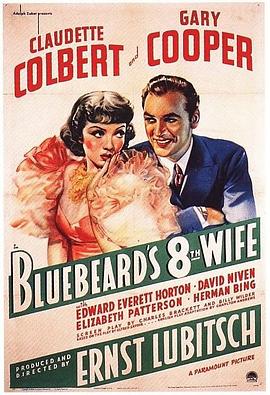
备注:已完结
类型:电影
主演:克劳黛·考尔白 加里·库珀 爱德华·艾沃瑞特·霍顿 大卫·尼文 伊丽莎
导演:恩斯特·刘别谦
语言:英语
年代:未知
简介:《蓝胡子的第八任妻子》整个故事是对清教徒社会风气的嘲讽:既然影坛的清洁运动如火如荼,连在婚姻注册署办了正式手续的结发夫妻也被剥夺同睡一张床的权利,那干脆拍部太太不肯圆房的戏好了,包保没有触犯禁忌的危险。拥有七次辉煌婚姻纪录的富贵男主角,终于排除万难把心仪的女子追到手,但疑神疑鬼的第八任妻子虽然愿意结婚,却觉得他无论如何不会相信自己嫁入豪门为的不是钱,于是坚持守身如玉,要直到证实他不再对自己的真心存疑,才肯在床上尽做妻子的义务。脱了裤子放屁的桥段,由别的导演处理大概凶多吉少,然而由刘别谦烹调,就是一道色香味俱全的佳肴——“多此一举”甚至成了对可怜复可笑的男主角的挖苦。
-
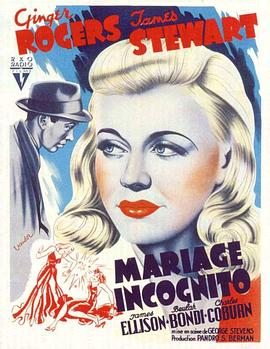
备注:已完结
类型:电影
主演:金杰·罗杰斯 詹姆斯·斯图尔特 詹姆斯·埃利森 比尤拉·邦蒂 查尔斯·
语言:英语
年代:未知
简介:皮特(查尔斯·科本 Charles Coburn 饰)是一名大学教授,一天,他奉父亲之命,来到夜总会寻找风流成性的表弟凯斯(詹姆斯·埃利森 James Ellison 饰),哪知道却意外邂逅了夜总会的歌女弗兰西(金格尔·罗杰斯 Ginger Rogers 饰),两人一见钟情,在一夜贪欢之后,两人结为了夫妻。 激情退却后,皮特开始为自己的冲动之举担忧起来,父亲是一个思想非常顽固的男人,绝对不会接受弗兰西歌女的身份,不仅如此,父亲还早已经为他找到了门当户对的姑娘海伦(弗朗西丝·默瑟 Frances Mercer 饰)做他未来的妻子。皮特屡屡想要向父亲坦白自己和弗兰西的关系,却屡屡遭遇失败,还让父亲和弗兰西之间的关系越来越差。
-
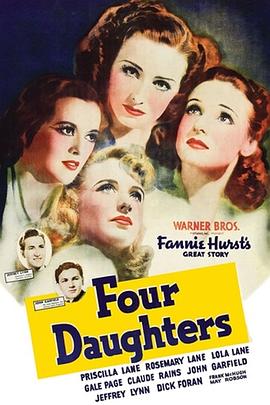
备注:已完结
类型:电影
主演:克劳德·雷恩斯 杰弗瑞·林恩 约翰·加菲尔德 弗兰克·麦休
导演:迈克尔·柯蒂兹
语言:英语
年代:未知
简介:亚当(克劳德·雷恩斯 Claude Rains 饰)有四个娇俏可人的女儿,她们分别是安(普瑞丝西拉·兰恩 Priscilla Lane 饰)、凯(罗斯玛丽·莱恩 Rosemary Lane 饰)、西恩(劳拉·莱恩 Lola Lane 饰)和艾玛(盖尔·佩吉 Gale Page 饰)。 四个姑娘虽然身上流淌着相同的血液,但是对待爱情却有着她们各自的看法。西恩是一个金钱至上主义者,所以最终和富有的克罗利订了婚。艾玛的爱情观和姐姐恰恰相反,她相信真爱,并且坚信只要耐心等待,爱情总有一天会降临在她的身上。一天,一个名叫菲利克斯(杰弗瑞·林恩 Jeffrey Lynn 饰)的男人带着他的朋友米奇(约翰·加菲尔德 John Garfield 饰)出现在了四姐妹的生活中。
-
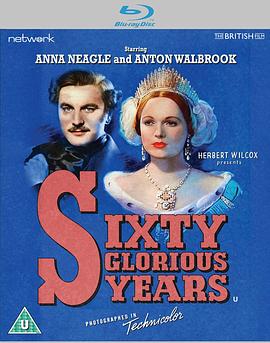
备注:已完结
类型:电影
主演:Anna Neagle Anton Walbrook C. Aubre
语言:英语
年代:未知
简介:Sixty Glorious Years is an exercise in the creation of iconography, both for Victoria and its star, Anna Neagle (who subsequently became known as 'Regal Neagle'). Just as Elizabeth I commissioned artists to create flattering iconic images for public consumption, so this film performs a similar function, for Neagle is more beautiful than the real life Victoria. Controversial events (such as the 'Irish problem') are omitted and unpleasant aspects of Victoria's character (her petulance, arrogance, favouritism and 'right to privilege') are glossed over as endearing little 'whims'. Albert acts as a moderating influence when she goes too far. The film followed a year after the highly successful Victoria the Great (d. Herbert Wilcox, 1937). Again the screenplay is by Miles Malleson and Robert Vansittart, and many of the supporting cast (the cream of acting talent of period) repeat their roles, this time for the colour cameras. This was the first full length Technicolor film of cinematographer Freddie Young, who captures the spectacle of royal weddings, grand balls and opulent interiors, with scenes actually filmed at royal palaces. Vivid battle scenes, set in Alexander Korda's empire territory (Sevastopol and the Sudan), rival those in The Four Feathers (d. Zoltan Korda 1939). The title music sets the tone a regal choir sings over a shot of the crown. Elgar's 1901 'Pomp and Circumstance' march is heard during the diamond jubilee celebrations and, as Victoria's coffin lies in state, the film concludes with Anthony Collins' stately music accompanied by the text of Rudyard Kipling's 'Lest we forget'. Combined with the emotional appeal of scenes of Victoria connecting with her 'ordinary folk', this is stirring stuff. The film connects with contemporary events of 1938. The release of two celebratory royal films was intended to boost public affection for the monarchy in the wake of Edward VIII's abdication. Anglo-German relations were another touchy subject. With another war on the horizon, influential voices wanted appeasement, and the film could be seen to fit that agenda. Victoria herself was of mainly German descent, nicknamed 'the grandmother of Europe', while Albert is a 'good German', charmingly played by Anton Walbrook as a cultured, decent man. Sixty Glorious Years now seems unduly formal and reverential. Had movies existed during Victoria's reign (they only emerged at the end) this might have been the kind of film produced. Unlike Mrs Brown (d. John Madden, 1997), it is all so very 'Victorian'. Roger Philip Mellor