-

备注:已完结
类型:电影
主演:AJ Michalka 詹姆斯·丹顿 凯文·波拉克 肖妮·史密斯 迈克
语言:英语
年代:未知
简介:影片主人公是18岁的花季少女阿曼达·米查尔卡(AJ)。她是一名唱诗歌歌手,但她的才华远远超过了这座阿拉巴马州小镇上的小教堂。AJ的父亲约翰尼是教堂唱诗班的音乐导演,每个周六晚上父女俩一起上台表演。约翰尼·特里年轻时曾是一名摇滚歌星,20年前有首单曲登上了公告牌的冠军,但也只有这一首歌曲走红,演唱事业昙花一现。之后约翰尼加入了教会,成立了家庭,过上了焕然一新的生活。过去的教训让他对好莱坞山以及流行乐坛花花世界有一股抵制之情,他不希望女儿重蹈自己的覆辙。然而一天,格蕾丝不告而别,去了洛杉矶。她与约翰尼的前制作人弗兰克·莫斯汀(莫西)签约,发行了首张唱片。莫西在AJ身上看到了巨大的潜力,要将她打造成“下一个凯蒂·派瑞”……
-

备注:已完结
类型:电影
导演:Evan Oppenheimer
语言:英语
年代:未知
简介:转学生麦丝为了赢过富家女伊莉莎白,向其下西洋棋的战帖,日后她偶然在公园遇见棋艺精湛却个性古怪的老先生诺曼,她拜託诺曼教导她西洋棋的技巧,要赢得人生这场棋。 麦丝在转进私立女校的第一天,发现同学们都是富家千金,家境清寒的自己受到了排挤。为了不让努力维持家计的父母操心,她决定撑下去。麦丝选择了西洋棋社作为课后社团活动,对西洋棋一无所知的麦丝却受到富家女伊莉莎白的羞辱,一气之下,麦丝公然向伊莉莎白下战帖,因为她知道除非赢过伊莉莎白,否则麦丝就别想在学校有好日子过。 回家路上,麦丝偶然在公园遇见棋艺精湛却个性古怪的老先生诺曼,她拜託诺曼教导她西洋棋的技巧,期望能在比赛上赢过伊莉莎白。诺曼将人生视为一盘棋,每颗棋子不是朋友就是敌人。诺曼还教导麦丝人生战场不可能单打独斗,要赢得人生这场棋,唯有在纽约市寻找答案。纽约,不仅将帮助麦丝赢得棋赛,还找回了麦丝自己的人生。
-

备注:已完结
类型:电影
主演:Sagamore Stévenin Léa Bosco
语言:法语
年代:未知
简介:1767年,人们在法国格夫丹地区的森林里发现了恐怖的杀人怪兽。据说,它是一种类似狼和狗的凶猛怪兽,被袭击的人都被咬破了颈部血管。在当地寻找绷带的外省医生皮埃尔到最近出现的人命案现场勘查了情况,他对和尸体近在咫尺的却完好无损的捕兽陷阱感到十分困惑。对于怪兽,教堂里牧师的解释是,那是一只恶魔附体的怪兽,是来惩罚人们的罪恶的,人们必须虔诚祷告来赎罪。他甚至暗示村中的异教徒、制作亚麻布拥有自己土地的外乡人沙斯黛尔一家就是撒旦的替身。 消息传到凡尔赛宫,已经开始相信科学、摒除封建迷信的国王路易十五派出了火枪手,要求尽快击毙森林里的“动物”。随着弑人事件的不断发生,医生在死者身上的发现有了惊人的进展。他在一个女死者的颈部伤口中取出了被折断的铁器的残片,而动物是不可能用这样的工具来杀人的,他认为,所谓的森林怪兽不过是披着狼皮的人罢了。他把自己的发现和结论告诉御史,但火枪手并不听信这一套,他脑子里想的只是杀死一只狼什么的动物,然后回宫请赏。 与此同时,对于异教徒沙斯黛尔一家的迫害也达到了前所未有的程度。在牧师母亲的恶意教唆下,村民把愤怒的火焰喷向了沙斯黛尔一家。沙斯黛尔先生将因使用巫术而被绞死,在医生皮埃尔的斡旋下才逃得性命。而皮埃尔的发现也把他怀疑的对象指向了当地的贵族、侯爵先生,但最后当他在沙斯黛尔家发现身披狼皮、企图杀死沙斯黛尔女儿的人时,他才明白,怪兽竟是伯爵莫兰齐斯。他开枪击毙了这个“怪兽”。 官方给伯爵的死因是意外死亡,火枪手因射杀了一只狼回宫得赏,沙斯黛尔先生因丧妻而疯癫起来,他的女儿和医生皮埃尔结为夫妻。
-

备注:已完结
类型:电影
主演:MichaelDixonAndrewHarwoodMillsDorse
导演:GaryDelaney
语言:英语
年代:未知
简介:上班族德里克一直对橄榄球情有独钟,当他得知美式橄榄球正在英国崭露头角时兴奋之情溢于言表,他甚至想去五六十公里外的曼彻斯特参加球员选拔。但女友对比颇为不理解,认定这是德里克背弃二人共同梦想的自私行为。不过,这并没有影响德里克对橄榄球的执着,为了能打橄榄球他开始奔波忙碌。不能参加其他球队,他就自己组建球队。这种运动精神吸引了很多同样热爱这项运动的朋友们加入。在德里克的带领下,他们招揽球员,购置服装,组建拉拉队,铁路捍卫者队诞生了。为了球队的发展,他们想尽一切办法去请专业的美国教练。教练詹姆斯·杜邦的加入让这支球队活力满满。但随着人员增多,球队开销也在不断增加,德里克因此背上了债务。正在踌躇苦恼之际,德里克心生一计,举办橄榄球比赛,收取门票。虽然门票计划意外泡汤,但德里克实现了自己的橄榄球之梦。
-
备注:已完结
类型:电影
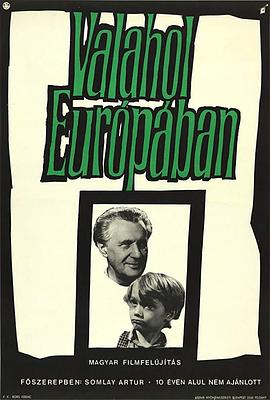
主演:Artúr Somlay Miklós Gábor Zsuzsa Bá
语言:其它
年代:未知
简介:Somewhere in the remote region, the war ends. In the midst of ruined cities and houses in the streets, in rural hamlets, everywhere where people still live, are children who have lost their homes and parents. Abandoned, hungry, and in rags, defenseless and humiliated, they wander through the world. Hunger drives them. Little streams of orphans merge into a river which rushes forward and submerges everything in its path. The children do not know any feeling; they know only the world of their enemies. They fight, steal, struggle for a mouthful of food, and violence is merely a means to get it. A gang led by Cahoun finds a refuge in an abandoned castle and encounters an old composer who has voluntarily retired into solitude from a world of hatred, treason, and crime. How can they find a common ground, how can they become mutual friends The castle becomes their hiding place but possibly it will also be their first home which they may organize and must defend. But even for this, the price will be very high. To this simple story, the journalist, writer, poet, scriptwriter, movie director, and film theoretician Béla Balázs applied many years of experience. He and the director Géza Radványi created a work which opened a new postwar chapter in Hungarian film. Surprisingly, this film has not lost any of its impact over the years, especially on a profound philosophical level. That is to say, it is not merely a movie about war; it is not important in what location and in what period of time it takes place. It is a story outside of time about the joyless fate of children who pay dearly for the cruel war games of adults. At the time it was premiered, the movie was enthusiastically received by the critics. The main roles were taken by streetwise boys of a children's group who created their roles improvisationally in close contact with a few professional actors, and in the children's acting their own fresh experience of war's turmoil appears to be reflected. At the same time, their performance fits admirably into the mosaic of a very complex movie language. Balázs's influence revealed itself, above all, in the introductory sequences an air raid on an amusement park, seen in a montage of dramatic situations evoking the last spasms of war, where, undoubtedly, we discern the influence of classical Soviet cinematography. Shooting, the boy's escape, the locomotive's wheels, the shadows of soldiers with submachine guns, the sound of a whistle—the images are linked together in abrupt sequences in which varying shots and expressive sharp sounds are emphasized. A perfectly planned screenplay avoided all elements of sentimentality, time-worn stereotypes of wronged children, romanticism and cheap simplification. The authors succeeded in bridging the perilous dramatic abyss of the metamorphosis of a children's community. Their telling of the story (the scene of pillaging, the assault on the castle, etc) independently introduced some neorealist elements which, at that time, were being propagated in Italy by De Sica, Rossellini, and other film artists. The rebukes of contemporary critics, who called attention to formalism for its own sake have been forgotten. The masterly art of cameraman Barnabás Hegyi gives vitality to the poetic images. His angle shots of the children, his composition of scenes in the castle interior, are a living document of the times, and underline the atmosphere and the characters of the protagonists. The success of the picture was also enhanced by the musical art of composer Dénes Buday who, in tense situations, inserted the theme of the Marseilaise into the movie's structure, as a motive of community unification, as an expression of friendship and the possibility of understanding. Valahol Europaban is the first significant postwar Hungarian film. It originated in a relaxed atmosphere, replete with joy and euphoria, and it includes these elements in order to demonstrate the strength of humanism, tolerance, and friendship. It represents a general condemnation of war anywhere in the world, in any form.


