-

备注:已完结
类型:电影
主演:约翰·奥哈拉 Dilynn Fawn Harvey Rachel La
导演:Todd Sheets
语言:英语
年代:未知
简介:The goal with CLOWNADO is to make a damned good, scary and splatter-filled, nonstop roller coaster ride of a Horror movie. It's something new, fresh, original and unique but also familiar. Using only Practical Special Makeup Effects and old school styled Visual Effects, CLOWNADO has the vibe of Classic Horror movies we love. Think Evil Dead, Dead Alive, Bad Taste and Texas Chainsaw Massacre if Lucio Fulci was directing, all mixed in a swirling storm of insanity. Now add in scary supernatural Clowns and the cinematic visual style known as FILM NOIR. - intense composition with shadow and light. - and a bit of that incredible John Carpenter suspense (John was also influenced by Noir classics). - and you have an Ambitious, Over the Top Gorefest Epic!. Don't judge a book by it's cover - This is certainly no comedy.
-
备注:已完结
类型:电影
主演:伊戈尔·别特连科 阿尔焦姆·谢马金 阿列克谢·帕宁 阿列克谢·克拉夫琴
导演:尼古拉·列别捷夫
语言:
年代:未知
简介:1944年,二战已接近尾声,在东部的苏德战场上,红军为了摧毁法西斯的最后抵抗,派出了以特拉夫金中尉(IgorPetrenko饰)为首的七人侦察队,他们将要深入敌后,去摸清敌人的兵力部署。这次凶险的任务已经导致多名战士牺牲,但勇敢的侦察队员们毅然出发了,临行前,特拉夫金与通信兵卡佳(YekaterinaVulichenko饰)约定,用“星星”和“大地”作为彼此在电波中联络的暗号。侦察队顺利的潜入敌后,并陆续传回有价值的情报,意识到侦察队威胁的德军方面如临大敌,派出重兵封锁交通,导致侦察队蒙受巨大损失。特拉夫金面对失去战友跟电台的局面,却决定继续前行,完成自己最后的任务……本片获2002年翁弗勒尔俄罗斯电影节大奖等多项褒奖。
-
备注:已完结
类型:电影
主演:T. Altanshagai B. Amarcanihan C. Ar
语言:
年代:未知
简介:电影《阿尔巴特》以十三世纪的蒙古高原为背景,以“阿尔巴特”(蒙古语,译为“十户”)的一次行动为线索,讲述了一个关于“爱、忠诚、信念与誓言”的故事。影片塑造了十位蒙古勇士的形象。虽然他们都是平凡的人,各有缺点,但是对信念的忠诚,对生命的热爱,让他们生死与共,不离不弃,突出表现了游牧文化的精神内涵与“恪守信义、崇尚自然”的人文主义精神。
-

备注:已完结
类型:电影
主演:Santiago Segura Carlos Areces 塞尔吉奥·
语言:其它
年代:未知
简介: 多浪迪警官被关在了监狱之中,他必须要找出能让自己成功越狱的方法。思来想去,多浪迪警官想到了一出妙招:他要在监狱里举办一场足球赛。这场足球赛的参与者将是监狱服刑人员和狱警组成的足球队。而多浪迪警官测期望自己能在足球比赛中趁乱逃出监狱。
-
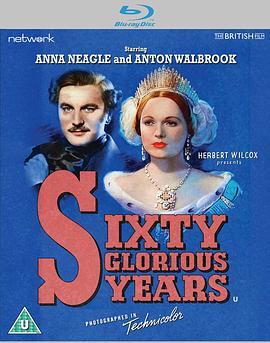
备注:已完结
类型:电影
主演:Anna Neagle Anton Walbrook C. Aubre
语言:英语
年代:未知
简介:Sixty Glorious Years is an exercise in the creation of iconography, both for Victoria and its star, Anna Neagle (who subsequently became known as 'Regal Neagle'). Just as Elizabeth I commissioned artists to create flattering iconic images for public consumption, so this film performs a similar function, for Neagle is more beautiful than the real life Victoria. Controversial events (such as the 'Irish problem') are omitted and unpleasant aspects of Victoria's character (her petulance, arrogance, favouritism and 'right to privilege') are glossed over as endearing little 'whims'. Albert acts as a moderating influence when she goes too far. The film followed a year after the highly successful Victoria the Great (d. Herbert Wilcox, 1937). Again the screenplay is by Miles Malleson and Robert Vansittart, and many of the supporting cast (the cream of acting talent of period) repeat their roles, this time for the colour cameras. This was the first full length Technicolor film of cinematographer Freddie Young, who captures the spectacle of royal weddings, grand balls and opulent interiors, with scenes actually filmed at royal palaces. Vivid battle scenes, set in Alexander Korda's empire territory (Sevastopol and the Sudan), rival those in The Four Feathers (d. Zoltan Korda 1939). The title music sets the tone a regal choir sings over a shot of the crown. Elgar's 1901 'Pomp and Circumstance' march is heard during the diamond jubilee celebrations and, as Victoria's coffin lies in state, the film concludes with Anthony Collins' stately music accompanied by the text of Rudyard Kipling's 'Lest we forget'. Combined with the emotional appeal of scenes of Victoria connecting with her 'ordinary folk', this is stirring stuff. The film connects with contemporary events of 1938. The release of two celebratory royal films was intended to boost public affection for the monarchy in the wake of Edward VIII's abdication. Anglo-German relations were another touchy subject. With another war on the horizon, influential voices wanted appeasement, and the film could be seen to fit that agenda. Victoria herself was of mainly German descent, nicknamed 'the grandmother of Europe', while Albert is a 'good German', charmingly played by Anton Walbrook as a cultured, decent man. Sixty Glorious Years now seems unduly formal and reverential. Had movies existed during Victoria's reign (they only emerged at the end) this might have been the kind of film produced. Unlike Mrs Brown (d. John Madden, 1997), it is all so very 'Victorian'. Roger Philip Mellor


