-
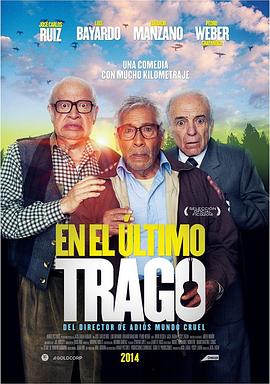
备注:已完结
类型:电影
主演:LuisBayardo RodolfoGuerrero Eduardo
语言:西班牙语
年代:未知
简介:讲述了三位老人为了一句承诺,走上了赴异地博物馆送手稿的路程,一路艰辛、意外频出,但仍然为故友了却了遗愿的故事。
-
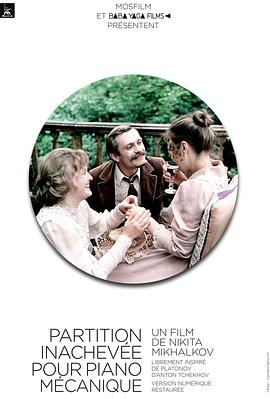
备注:已完结
类型:电影
主演:亚历山大·卡利亚金 叶莲娜·索洛维 叶夫盖妮亚·格鲁申科 安东宁娜·舒
导演:尼基塔·米哈尔科夫
语言:其它
年代:未知
简介:乡村教师普拉冬诺夫与妻子过着简单平淡的生活。一次聚会上,他遇到了自己多年未见的初恋情人索非亚,这勾起了他对往事的美好回忆。为了弥补自己在事业上的失败,也为了追寻往日的那段甜蜜恋情,普拉冬诺夫开始背着家人与索非亚约会。后来,他提出私奔,让索非亚同自己一起远走高飞,却遭到索非亚的拒绝。普拉冬诺夫终于明白索非亚已经不能离开属于她的那种奢华生活,这种婚外恋情只是这个女人寻求的一种刺激。在绝望和羞愧中,普拉冬诺夫跳河自杀,却发现命运再次和他开了个玩笑,河水只能浅浅地没过自己的膝盖。最后,妻子跑到河边安慰这位可怜的丈夫,两人重新回到了原来的生活。 本片以契诃夫年轻时创作的一部未上映的四幕话剧《普拉东诺夫》为基础,结合契诃夫其他一些小说作品改编而成。创作者准确地把握住契柯夫创作中所反映的时代精神和艺术形象的社会意义和历史意义。影片利用象征、衬托、对比和夸张等多种艺术手段表现主题,使喜剧情节中蕴含哀怨、姜婉的悲剧气氛。影片的摄影艺术极为出色。色彩、景物、光影等因素与情节溶为一体,使影片具有浓重的抒情韵味。本片获第25后(1977年)圣塞瓦斯安国际电影节金贝壳大奖。
-
备注:已完结
类型:电影
主演:提拉德·翁坡帕 Suchaya Kraisuwan Joey Bazo
导演:未知
语言:
年代:未知
简介:Max(Ken饰)因为女朋友的背叛伤心欲绝,但当他独自在沙滩上悲伤的时候,却很幸运的获得了一种能看透人内心思想的超能力。本来已经对爱情死心的他,却在一次偶然的机会里认识了女医生Pim,并且一见钟情。但拥有超能力的Max却不敢对Pim使用,害怕知道Pim对自己的真实想法。。。但好事多磨。几经波折之后,两人终于走到了一起......
-
备注:已完结
类型:电影
主演:Artúr Somlay Miklós Gábor Zsuzsa Bá
语言:其它
年代:未知
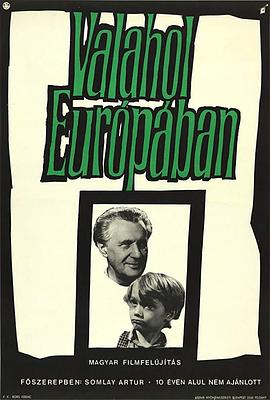
简介:Somewhere in the remote region, the war ends. In the midst of ruined cities and houses in the streets, in rural hamlets, everywhere where people still live, are children who have lost their homes and parents. Abandoned, hungry, and in rags, defenseless and humiliated, they wander through the world. Hunger drives them. Little streams of orphans merge into a river which rushes forward and submerges everything in its path. The children do not know any feeling; they know only the world of their enemies. They fight, steal, struggle for a mouthful of food, and violence is merely a means to get it. A gang led by Cahoun finds a refuge in an abandoned castle and encounters an old composer who has voluntarily retired into solitude from a world of hatred, treason, and crime. How can they find a common ground, how can they become mutual friends The castle becomes their hiding place but possibly it will also be their first home which they may organize and must defend. But even for this, the price will be very high. To this simple story, the journalist, writer, poet, scriptwriter, movie director, and film theoretician Béla Balázs applied many years of experience. He and the director Géza Radványi created a work which opened a new postwar chapter in Hungarian film. Surprisingly, this film has not lost any of its impact over the years, especially on a profound philosophical level. That is to say, it is not merely a movie about war; it is not important in what location and in what period of time it takes place. It is a story outside of time about the joyless fate of children who pay dearly for the cruel war games of adults. At the time it was premiered, the movie was enthusiastically received by the critics. The main roles were taken by streetwise boys of a children's group who created their roles improvisationally in close contact with a few professional actors, and in the children's acting their own fresh experience of war's turmoil appears to be reflected. At the same time, their performance fits admirably into the mosaic of a very complex movie language. Balázs's influence revealed itself, above all, in the introductory sequences an air raid on an amusement park, seen in a montage of dramatic situations evoking the last spasms of war, where, undoubtedly, we discern the influence of classical Soviet cinematography. Shooting, the boy's escape, the locomotive's wheels, the shadows of soldiers with submachine guns, the sound of a whistle—the images are linked together in abrupt sequences in which varying shots and expressive sharp sounds are emphasized. A perfectly planned screenplay avoided all elements of sentimentality, time-worn stereotypes of wronged children, romanticism and cheap simplification. The authors succeeded in bridging the perilous dramatic abyss of the metamorphosis of a children's community. Their telling of the story (the scene of pillaging, the assault on the castle, etc) independently introduced some neorealist elements which, at that time, were being propagated in Italy by De Sica, Rossellini, and other film artists. The rebukes of contemporary critics, who called attention to formalism for its own sake have been forgotten. The masterly art of cameraman Barnabás Hegyi gives vitality to the poetic images. His angle shots of the children, his composition of scenes in the castle interior, are a living document of the times, and underline the atmosphere and the characters of the protagonists. The success of the picture was also enhanced by the musical art of composer Dénes Buday who, in tense situations, inserted the theme of the Marseilaise into the movie's structure, as a motive of community unification, as an expression of friendship and the possibility of understanding. Valahol Europaban is the first significant postwar Hungarian film. It originated in a relaxed atmosphere, replete with joy and euphoria, and it includes these elements in order to demonstrate the strength of humanism, tolerance, and friendship. It represents a general condemnation of war anywhere in the world, in any form.
-
备注:已完结
类型:电影
主演:克里斯特尔·博登斯坦 Charles Hans Vogt Eckart
语言:其它
年代:未知
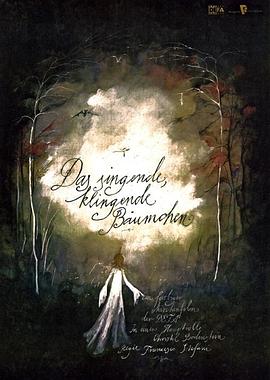
简介:前东德最好的一部超现实主义幻想剧! this is one of the most amazing looking,surreal films of all time and i only recently acquired it on video.it was just as good after fond childhood memories of it.highly recommended,with great special effects,and stunning set design,and vivid colour and cinematography.buy with confidence! This is as you remember watching it as a child. Lifelike, overtly coloured and full of magical splendor, terrifying nasties and surreal characters. In short, do not shy away from this opportunity to show a Christmas Special to your children in favour of the usual fare from Disney and co. Rather, pop a fresh batch of pop corn, get first dibs on the comfy chair and opt for what was arguably one of the highlights of East German children's programming.