-

备注:已完结
类型:电影
主演:阿耶莱特·祖里尔 罗伯特·甘特 安娜·盖伊斯洛娃 Igor Orozo
语言:英语
年代:未知
简介:Netflix投资的一部电影,了解了一个了不起的人,一段历史:Milada Horáková,出生于奥匈帝国时期的布拉格,一战时17岁,因为参加反战游行,被学校开除,之后致力女性平权和儿童福利,1940年因为参与地下抵抗组织被盖世太保拘捕,关押在德国的集中营,德国当局要求德国法庭判死刑,但最终法庭判了她八年,1945年二战结束回到布拉格;46年参选成为国会议员,继续专注女性平权,48年捷共政变,她辞职抗议,公开批评捷共不民主。49年被捕,50年以“国家和人民的敌人罪名被处以绞刑。在苏共安排下,她和另外十二人的这场审判透过广播直播,最终四人被判绞刑。Milada在1989年后得到平反,布拉格的一条街道以她命名,被执行死刑的那天,也被列为捷克极权制度牺牲者纪念日。Milada最后遗言:“我高昂着头颅,尽管它可能落地也一定这样。在战斗中人们会倒下,但是如果不去战斗,那还是生活吗。
-

备注:已完结
类型:电影
主演:Lucas Davi de Los Santos Alves Náth
导演:埃米利亚诺·库尼亚
语言:葡萄牙语
年代:未知
简介:十二岁的阿曼达是一名游泳运动员。她非常安静而又内向,着迷于游泳,因为她在水下全然的私密空间中找到了独一无二的安全感。阿曼达没有父母关心,于是把大部分时间都泡在游泳池里,不断训练。也许游泳是她唯一一件真正喜欢做的事,她想要做好,想要成功。普莉希拉是游泳队里的明星,现在却成 为了阿曼达的对手。她们之间的较量从泳池拓展到了生活中的方方面面,一场微妙的角力就此拉开序幕。
-
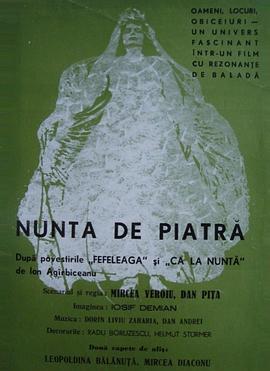
备注:已完结
类型:电影
主演:Leopoldina Balanuta Eliza Petraches
语言:其它
年代:未知
简介:影片分为两个不同的部分。第一部分由米尔恰·韦罗尤执导,描述了二十世纪初罗马尼亚一个寡妇的悲惨生活。第二部分由丹·皮察执导,讲的是一个婚礼上的新娘。 米尔恰·韦罗尤(1941年出生)和丹·皮察(1938年出生)是罗马尼亚最具独创性的电影制作人,他们一起制作了两部杰出的电影:《石婚》(1972)和《金魂》(1974)。毫无疑问,两部电影都是罗马尼亚有史以来最好的电影之一,在全世界受到了巨大的好评,被纽约现代艺术博物馆收藏。 《石婚》根据罗马尼亚作家Ion Agarbiceanu的小说改编,描写了上世纪初特兰西瓦尼亚乡村的生活状况。这些故事充满了一种深深的悲剧性的震撼,一种似乎无处不在的宿命感。所有这些都在令人难忘的摄影中被表达出来。毫不夸张地说,每一个镜头都是一件艺术品。 在第一部分中,女演员 Leopoldina Balanuta 的每一个动作、每一个眼神都充满了感性和智慧,她知道如何暗示多年的生活、希望和绝望的积累、固执的爱以及在沉默的斗篷下压抑的巨大痛苦。这些有力的镜头语言,只有第二部分的 Mircea Diaconu (逃兵) 眼中悲剧性的天真才能匹配。 两位导演中,米尔恰·韦罗尤喜欢充满沉思的冰冷凝结的风格,而丹·皮察在他的部分,则把它变成了一个充满活力的故事,有许多讽刺的时刻,富有表现力的人物,并在最后有一个痛苦的悲剧转折。 无论如何,《石婚》是一部值得一遍又一遍地观看的电影。每一遍,它似乎都增长了新的维度。
-
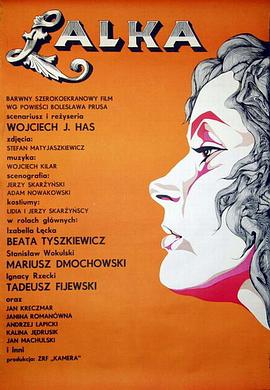
备注:已完结
类型:电影
主演:马里乌什·德莫霍夫斯基 贝娅塔·蒂希基维茨 菲耶夫斯基·塔德乌什 Ja
导演:沃伊切赫·哈斯
语言:其它
年代:未知
简介:The Doll is an adaptation of the novel, The Doll (novel) by Bolesław Prus, which is regarded by many as one of the finest Polish novels ever written and, along with Pharaoh (novel), made Bolesław Prus a potential candidate for the Nobel Prize in literature. The influence of Émile Zola is evident, and some have compared the novel to Madame Bovary by Gustave Flaubert; both were Prus's contemporaries. The movie, however, may be more compared to Stendhal's Le Rouge et le Noir, (The Red and the Black). The Doll constitutes a panorama of life in Warsaw between 1878 and 1879, and at the same time is a subtle story of three generations of Polish idealists, their psychological complications, their involvement in the history of the nineteenth century, social dramas, moral problems and the experience of tragic existence. At the same time this story describes the disintegration of social relationships and the growing separation of a society whose aristocratic elite spreads the models of vanity and idleness. In the bad air of a backward country, anti-Semitic ideas are born, valuable individuals meet obstacles on their way, and scoundrels are successful. This poetic love story follows a nouveau riche merchant, Stanislaw Wokulski, through a series of trials and tribulations occasioned by his obsessive passion for an aristocratic beauty, Izabela Lecka, played by the famous Polish actress, Beata Tyszkiewicz. Plot As a descendant of an impoverished Polish noble family, young Wokulski is forced to work as a waiter at Hopfer's, a Warsaw restaurant, while dreaming of a life in science. After taking part in the failed 1863 Uprising against Tsarist Russia, he is sentenced to exile in Siberia. On eventual return to Warsaw, he becomes a salesman at Mincel's haberdashery. Marrying the late owner's widow (who eventually dies), he comes into money and uses it to set up a partnership with a Russian merchant he had met while in exile. The two merchants go to Bulgaria during the Russo-Turkish War of 1877-78, and Wokulski makes a fortune supplying the Russian Army. The enterprising Wokulski now proves a romantic at heart, falling in love with Izabela, daughter of the vacuous, bankrupt aristocrat, Tomasz Łęcki. In his quest to win Izabela, Wokulski begins frequenting theatres and aristocratic salons; and to help her financially distressed father, founds a company and sets the aristocrats up as shareholders in his business.The indolence of these aristocrats, who secure with their pensions, are too lazy to undertake new business risks, frustrates Wokulski. His ability to make money is respected but his lack of family and social rank is condescended to. Because of his help (in secret) to Izabela's impecunious but influential father, the girl becomes aware of his affection. In the end she consents to accept him, but without true devotion or love.(wikipedia)