-
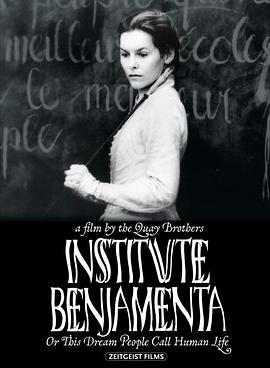
备注:已完结
类型:电影
主演:马克·里朗斯 艾丽丝·克里奇 高夫莱德·约翰 Daniel Smith
语言:其它
年代:未知
简介:动画大师奎氏兄弟第一次拍摄真人表演的故事长片 为幻想主义主题开拓了一个新的层面 特里·吉列姆称:三百年内最具视觉魅力且不遗幽默的电影,令我嫉妒” 简介:观众被片中幽暗阴森的迷宫与回廊、荒谬突兀的人物情节所震慑;特里·吉列姆(Terry Gilliam)更称此片是一部“最近三百年内我看到的最具视觉魅力且不遗幽默的电影,令我感到嫉妒”的作品。 在创作灵感来自晦涩文学或奇思怪想的作品同时,他们还拍摄了一系列音乐录影短片、广告和电视宣传片以及为歌剧担任舞台美术设计;值得一提的是,彼得·格林纳威的《一加一的故事》便是以奎氏兄弟为蓝本。
-

备注:已完结
类型:电影
主演:詹·科莱拉 Petrina Bromley De&#0
导演:克里斯托弗·阿什利
语言:英语
年代:未知
简介: 托尼奖获奖百老汇音乐剧《来自远方》(Come from Away)将被改编成电影,The Mark Gordon Company投资制片,原作者、词曲家Irene Sankoff和David Hein将编写剧本,剧版导演克里斯托弗·阿什利也确定执导影片。设定在9·11事件之后,38架飞机意外迫降加拿大纽芬兰与拉布拉多省的小镇Gander,7000名旅客滞留。在被迫停飞的处境下,小镇的居民热情地欢迎并接纳了所有旅客,他们的慷慨善良与恐怖袭击形成了鲜明的对比。文化相互碰撞,人们情绪高涨,不安感转变为信任,音乐响彻深夜,感激最终形成了长久的友谊。 该音乐剧大获成功,评论极佳,获7项托尼奖提名,最终获得最佳音乐剧导演奖。
-

备注:已完结
类型:电影
主演:杰米·福克斯 克里斯·库珀 詹妮弗·加纳 杰森·贝特曼 阿什拉夫·巴姆
导演:彼得·博格
语言:
年代:未知
简介:沙特阿拉伯首都利雅得,密集的枪声和巨大的爆炸声撕裂了高档住宅区的宁静。针对西方人的恐怖袭击导致上百人死亡,甚至联邦特工人员也在混乱中丧生。这一事件使原本矛盾重重、暗流涌动的国际局势再次紧张起来。FBI派出探员罗纳德·弗鲁瑞(杰米·福克斯JamieFoxx饰)及其小队前往沙特,他们要在5天之内找到幕后的指使者。然而调查比想象中更加困难,沙特当局似乎不愿美国插手“国家内务”,FBI探员不仅要应付恐怖分子设下的重重障碍,还要试图克服来自沙特官方的阻挠与干扰。为了达成共有的目标,身处不同文化背景的两国调查人员渐渐达成共识,而这一时刻危险正偷偷向他们逼近……
-

备注:已完结
类型:电影
主演:詹姆斯·亚历山大 ElizeCawood JamesCunningha
语言:南非语 / 英语
年代:未知
简介:班是一名機械工,但他的夢想是當一個專業樂手。他暗戀老闆的女兒,假裝自己玩團來讓她刮目相看,他的同事也配合一起演戲。當真相被揭穿,班必須憑自己的真本領來追回心上人。
-

备注:已完结
类型:电影
主演:Ece Çesmioglu Erdem Kaynarca 迈莱特·费拉
导演:内西普·卡根·奥兹德米尔
语言:其它
年代:未知
简介:沃拉尔的人生平凡无奇。他生长于一个虔诚的家庭,通过经营一家坐落于伊斯坦布尔美国领事馆对面的照相馆,履行着作为养家糊口之人的职责,供养年轻的儿子和生病的父亲。此外,他还延续家族传统,指导儿子成为一个正直的人。但在表象之下,沃拉尔也有一个秘密:他和年轻的女顾客——为了申请美国签证而找他拍照的索奈有了外遇。索奈一心想要离开这里,在梦想破灭后,愤怒的她和沃拉尔起了争执,威胁到了他平静的生活。最终,沃拉尔必须做出选择:是诚实地面对自己犯下的过错,还是掩盖真相、走上道德沦丧的黑暗之路?
-
备注:已完结
类型:电影
主演:Anna Neagle Anton Walbrook C. Aubre
语言:英语
年代:未知
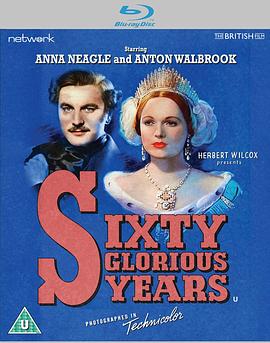
简介:Sixty Glorious Years is an exercise in the creation of iconography, both for Victoria and its star, Anna Neagle (who subsequently became known as 'Regal Neagle'). Just as Elizabeth I commissioned artists to create flattering iconic images for public consumption, so this film performs a similar function, for Neagle is more beautiful than the real life Victoria. Controversial events (such as the 'Irish problem') are omitted and unpleasant aspects of Victoria's character (her petulance, arrogance, favouritism and 'right to privilege') are glossed over as endearing little 'whims'. Albert acts as a moderating influence when she goes too far. The film followed a year after the highly successful Victoria the Great (d. Herbert Wilcox, 1937). Again the screenplay is by Miles Malleson and Robert Vansittart, and many of the supporting cast (the cream of acting talent of period) repeat their roles, this time for the colour cameras. This was the first full length Technicolor film of cinematographer Freddie Young, who captures the spectacle of royal weddings, grand balls and opulent interiors, with scenes actually filmed at royal palaces. Vivid battle scenes, set in Alexander Korda's empire territory (Sevastopol and the Sudan), rival those in The Four Feathers (d. Zoltan Korda 1939). The title music sets the tone a regal choir sings over a shot of the crown. Elgar's 1901 'Pomp and Circumstance' march is heard during the diamond jubilee celebrations and, as Victoria's coffin lies in state, the film concludes with Anthony Collins' stately music accompanied by the text of Rudyard Kipling's 'Lest we forget'. Combined with the emotional appeal of scenes of Victoria connecting with her 'ordinary folk', this is stirring stuff. The film connects with contemporary events of 1938. The release of two celebratory royal films was intended to boost public affection for the monarchy in the wake of Edward VIII's abdication. Anglo-German relations were another touchy subject. With another war on the horizon, influential voices wanted appeasement, and the film could be seen to fit that agenda. Victoria herself was of mainly German descent, nicknamed 'the grandmother of Europe', while Albert is a 'good German', charmingly played by Anton Walbrook as a cultured, decent man. Sixty Glorious Years now seems unduly formal and reverential. Had movies existed during Victoria's reign (they only emerged at the end) this might have been the kind of film produced. Unlike Mrs Brown (d. John Madden, 1997), it is all so very 'Victorian'. Roger Philip Mellor


