-
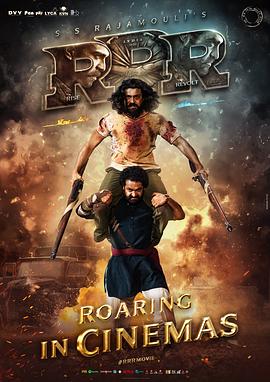
备注:已完结
类型:电影
主演:小老虎 拉姆·查兰 阿贾耶·德乌干 阿莉雅·布哈特 奥利维亚·莫里斯
导演:S·S·拉贾穆里
语言:
年代:未知
简介:1920年,英国总督斯科特和他的妻子凯瑟琳访问阿迪拉巴德的一个部落,并强行带走了部落里歌唱天赋异禀的小女孩玛莉,部落的保护者比姆(小老虎 饰演)为了救回玛莉,伪装成穆斯林。斯科特得知消息后,总督府的底层卫兵拉朱(拉姆·查兰·特哈 饰演)为了升职也同时为了完成他父亲遗愿和他对部落承诺,主动请愿自己可以将比姆逮捕。 比姆和拉朱因共同拯救了一个差点葬身火海的小男孩而巧遇,他们并不认识对方,然而两人也隐藏了自己的真实身份,相互联系,成为挚友。拉朱在一次调查中发现自己的挚友就是总督要逮捕的比姆,他一边是承载了父亲的遗愿和整个部落的承诺,一边是自己的挚友,他该如何抉择…..
-
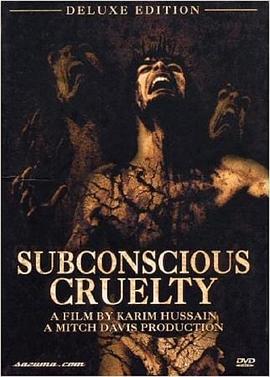
备注:已完结
类型:电影
主演:Sophie Lauzière Anne-Marie Belley B
导演:卡里姆·胡桑
语言:英语
年代:未知
简介: 《下意识的残忍》是一个最美丽的电影。有时,影迷政治上正确的主流恐怖垃圾不应回应.而这电影的混音和许多漂亮的视觉效果与大量肮脏的内容是极其古怪,邪恶和令人不安的,所以对怪异电影感兴趣的影迷一定不会失望。分娩现场特别恶心和难忘.最后部分"右脑/殉难"被看作是信仰的禁忌.令人难以置信的残酷和亵渎的风景。对生殖器官和可怕撕咬.耶稣基督抓获三名裸体女性并且要求她们残害他,从他的胸部撕掉血肉,在膝盖上舔伤口和咬他。还有一个耶稣雕像与预测在一个字上。 《下意识的残忍》是一个真正令人难忘的电影,应该被极端的影迷找出来。 其实,也可以安全地说,下意识的残忍是一个奇怪的电影!它洞察人的心灵。下意识的残忍包括四个可怕的离奇的极端故事。第一部分,题为'卵巢眼球'而这也只是热身,但它是稍微良好的,因为它让观众了解有哪些期望在未来三个部分。它只是看到了赤身裸体女人奠定了一个开始,而另一名女子虐待她的腹部和拿出人的眼球!下面的故事是最好的那几个,并在"最喜欢的"病态电影主题的乱伦。该部分如下,一个男人谁独自生活与他怀孕的妹妹。他使她怀孕,但他想和她上床,当然他会他的去路。这个故事很突出,因为单调, 真实的叙事,以及结束-这并不不能提供的冲击。这部分是采取行动实施残忍,暗合了电影的亮点下意识的残忍。 当然,下两节不如第二的一个。唯一途径,以便从那里下跌,但导演卡里姆侯赛因仍然能在有东西出来之前,让影片结束。他没有做出正确的选择,但是,作为第三个部分是最弱的一个部分,只是看到有很多人发生性关系的理由。这部分的重点是宗教,当然不是任何人的价值!导演卡里姆侯赛因已经取得的东西在这里-因为虽然这四个收集'极端'的故事并没有走到一起作为一个完整的整体,但电影使人感觉有品味,因为它的拍摄采用了这样一个雄辩和眼睛的捕捉方式。导演似乎在模仿超现实主义的导演路易斯布纽尔,尽管涉及了强奸和乱伦。 《下意识的残忍》并不是运用简单的情节或时间表述,相反,它一系列的宗教反寓是探索电影(实验电影)的愿景。这种视觉效果的电影经常涉及的禁忌主题,和许多电影一样被认为是令观众不安的。随着电影的进展,观众遇到此类主题例如手淫,月经,和吃人,并经常描绘各种体液等等的,往往很难以接受。侯赛因的作品,对于现代的电影是一个难忘的视觉和声音的经历,挑战流行的理想的电影。该片分类在2000年电影| 2000年恐怖电影|加拿大电影|独立电影|前卫与实验电影的维基百科里
-
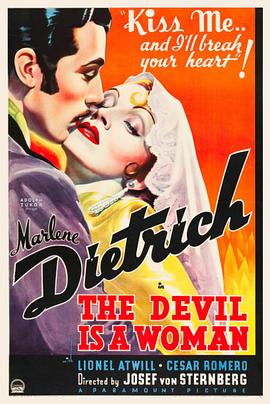
备注:已完结
类型:电影
主演:玛琳·黛德丽 莱昂内尔·阿特威尔 爱德华·艾沃瑞特·霍顿 Alison
导演:约瑟夫·冯·斯登堡
语言:
年代:未知
简介:影片通过一系列片断回忆一位老人所迷恋的一位极其高傲的女性。故事背景是幻想中的西班牙狂欢节。在咖啡馆中,老人把经历对游行中遇到的年轻朋友娓娓道来,这位年轻人同样是个伤心人。尽管他发誓不会重蹈老人的覆辙,但是却依然对傍晚与情人的约会期待万分。美艳绝伦的西班牙女郎,令男人神魂颠倒;位高权重的军卫被逗得心痒难耐,为她大洒金钱,只落得被玩弄摆布,与情敌决斗更差点赔上性命。 同一小说,在布纽尔手中成了超现实的《模糊的情欲对象》(1977);史登堡亲自掌镜,双面娇娃的勾魂媚态,在如梦似幻光影下更教人欲拒还迎。是女人变幻无常,还是男人执迷自虐,才是情欲嘉年华的真实色相?大导与女神最后一次合作,虽面对外交风波与道德批判(十七分钟片段被剪),玛莲德烈治却自言是最心爱电影。
-
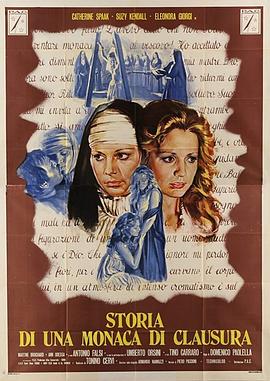
备注:已完结
类型:电影
主演:Catherine Spaak Suzy Kendall Eleono
导演:多梅尼科·保莱拉
语言:
年代:未知
简介:米拉在很小的时候就为了家族的兴旺被父母给定了婚事,但美丽的卡米拉在成年后爱上了别人,由于她对家族的不忠,被父母送到了修道院被迫做了修女,美丽的卡米拉不甘忍受修道院清心寡欲的非人生活曾多次偷情,为了自由和爱情她付出了……
-
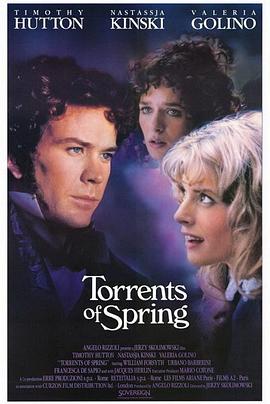
备注:已完结
类型:电影
主演:蒂莫西·赫顿 娜塔莎·金斯基 瓦莱丽亚·戈利诺 威廉·弗西斯 乌尔巴诺
导演:杰兹·斯科利莫夫斯基
语言:
年代:未知
简介:杰玛(瓦莱莉·高利诺 Valeria Golino 饰)的父亲去世了,整个家庭的重担落到了母亲的肩上。为了维系家中经营的糖果店的运转,母亲不得不接受了布料商克鲁贝尔(Krzysztof Janczar 饰)的资助,并承诺会将杰玛许配给他为妻,殊不知克鲁贝尔是一个唯利是图卑鄙贪婪的小人。 个性强烈桀骜不驯的杰玛自然不会甘心成为这样一个小人的妻子,与此同时,她在一场意外中邂逅了温文尔雅风度翩翩的俄国青年萨宁(蒂莫西·赫顿 Timothy Hutton 饰),相互吸引的两人坠入了情网。杰玛不顾一切的选择了和萨宁走到一起,然而此时萨宁却暴露出了软弱而又没有担当的一面。萨宁结识了名为玛利亚(娜塔莎·金斯基 Nastassja Kinski 饰)的妇人,经不住后者的诱惑,萨宁背叛了杰玛。