-
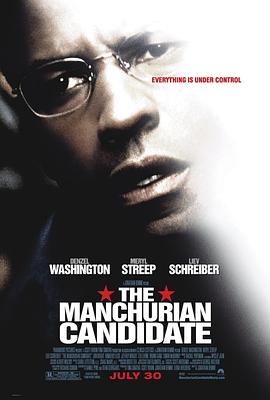
备注:已完结
类型:电影
主演:杰弗里·怀特 巴勃罗·施瑞博尔 安东尼·麦凯 道林·米西克 何塞·巴勃
导演:乔纳森·戴米
语言:英语
年代:未知
简介:荣获了诸多荣誉和奖章的本·马高(丹泽尔·华盛顿 Denzel Washington 饰)当年曾是一名海军陆战队上尉,第一次海湾战争期间,他所在的小分队夜晚执行搜查任务时遭到伏击,凭借战友雷蒙德·萧中士(利夫·史列巴 Liev Schreiber 饰)的机智与果敢,整个小 队最终化 险为夷,失去知觉的本也多亏雷蒙德才死里逃生。十年后,本在无数个场合讲过这段过去,并大力盛赞雷蒙德的果敢。由于战争期间的出色表现,雷蒙德的仕途一片光明,在参议院的母亲伊丽娜(梅丽尔·斯特里普 Meryl Streep 饰)的协助下,他如今已然成为副总统的候选人。然而就在此时,本却倍感焦虑,在他的心中不断质疑着当年发生的一切,似乎那晚的袭击事件有着另一个不为人知的版本…… 本片根据1962年约翰·弗兰克海默的同名经典影片改编。
-
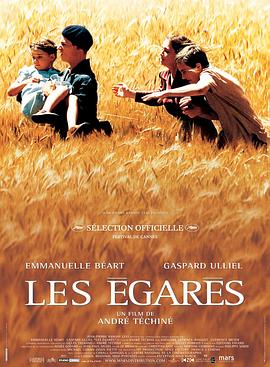
备注:已完结
类型:电影
主演:艾曼纽·贝阿 加斯帕德·尤利尔 格雷戈瓦·勒普兰斯-林盖 Clémen
导演:安德烈·泰希内
语言:法语
年代:未知
简介:故事发生在1940年6月的法国巴黎,带着两个孩子菲利普(格雷戈瓦·勒普兰斯-林盖 Grégoire Leprince-Ringuet 饰)和凯西(Clémence Meyer 饰)的单身母亲奥迪尔(艾曼纽·贝阿 Emmanuelle Béart 饰)正因为蠢蠢欲动的战火而提心吊胆着。该来的总会到来,当枪炮声回荡在街头巷尾之时,这位坚强的母亲毫不犹豫的加入了逃亡的队伍中。对于孩子们来说,这段漫长的旅程意义不明,对于母亲背井离乡的决定,他们并不十分理解。 德军的飞机对逃亡的队伍进行了残酷的轰炸,奥迪尔和孩子们虽然逃过了此劫,但全部家当却都消失在了熊熊的烈火之中。就在无依无靠的三人不知该如何是好的时候,一个名叫伊万(加斯帕德·尤利尔 Gaspard Ulliel 饰)的男孩出现在了他们的面前。
-
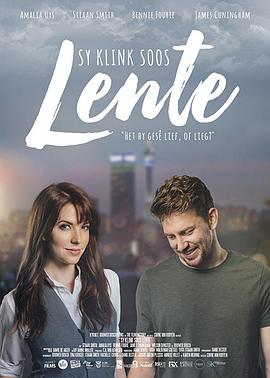
备注:已完结
类型:电影
主演:詹姆斯·亚历山大 ElizeCawood JamesCunningha
语言:南非语 / 英语
年代:未知
简介:班是一名機械工,但他的夢想是當一個專業樂手。他暗戀老闆的女兒,假裝自己玩團來讓她刮目相看,他的同事也配合一起演戲。當真相被揭穿,班必須憑自己的真本領來追回心上人。
-
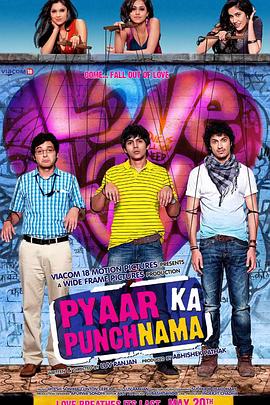
备注:已完结
类型:电影
主演:卡提克·亚利安 迪韦严杜·沙玛 拉育·巴基尔塔 努西拉特·巴努查 伊希
导演:卢夫·兰扬
语言:其它
年代:未知
简介:三个男人Nishant,Rajat和Vikrant是三个合租住在一起的好朋友。他们虽然同住一个屋檐下,性格却迥然不同。生活里喜欢着风格不同的异性对象,却都遭遇到了感情问题的困扰。酒吧对歌结识了Neha的Rajat(卡尔凯•提瓦瑞 Kartik Tiwari 饰),热恋期过去后Rajat终于无法忍受Neha的各种自私和无理取闹而大爆发。Nishant是个神经敏感喜欢抱怨的男生,在办公室认识了新晋职员Charu(苏拉•沙玛 Suraj Sharma 饰)后过上了出钱又出力的苦逼生活,不仅受到Charu男友的威胁,还受到Charu的人格羞辱,大受打击。而Vikrant(拉育•巴基尔塔 Raayo Bakhirta 饰)则是为了一个喜欢了三年的性感交际型女友Riya和前男友藕断丝连的关系陷入深深的苦恼中。面对爱情的困惑,三个男人同台究竟会演出怎样一场好戏?
-
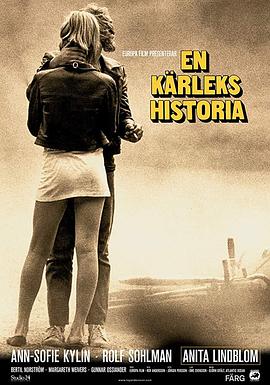
备注:已完结
类型:电影
主演:安-索菲耶·许林 罗尔夫·索尔曼 阿妮塔·林德布卢姆 贝蒂尔·诺斯特伦
语言:其它
年代:未知
简介:青春的岁月多彩而惆怅,成人的世界则充满失落和无奈。15岁的男孩帕尔(Rolf Sohlman 饰)平时在父亲(Bertil Norström 饰)的修车行帮忙,偶尔还要和家人去看望住在疗养院、倍感孤独的爷爷。女孩安妮佳(Ann-Sofie Kylin 饰)拥有一个推销冰箱总是失败却高傲无比的父亲(Bertil Norström 饰),还有一个美丽但却因个子太高无法成为空姐的阿姨(Anita Lindblom 饰),这些成年人心中的失意远远大于他们人生所得。 相反正处在青春期的帕尔和安妮佳则躁动、奔放。两个孩子在疗养院的露天派对上邂逅,慢慢走到一起,帕尔因被大孩子揍了一顿假装对安妮佳不理不睬,但是青春的焰火其能就此熄灭?他们最终重归于好,共同品尝着幼稚的爱情之果所带来的青涩和甜蜜…… 本片获柏林电影节金熊奖提名及国际评论奖、UNICRIT奖、IWG Golden Plaque奖、瑞典哥德堡电影节最佳影片金奖等4个奖项。
-
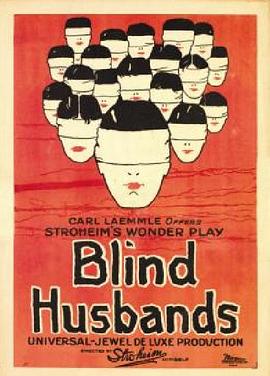
备注:已完结
类型:电影
主演:萨姆·德·格拉斯 Francelia Billington 埃里克·冯
导演:埃里克·冯·施特罗海姆
语言:英语
年代:未知
简介:Two differences between this Austrian version and the generally available American version are immediately obvious they differ both in their length and in the language of the intertitles. The American version is only 1,883 metres long - at 18 frames per second a difference of some 7 minutes to the Austrian version with 2,045 metres. Whereas we originally presumed only a negligible difference, resulting from the varying length of the intertitles, a direct comparison has nevertheless shown that the Austrian version differs from the American version both in the montage and in the duration of individual scenes. Yet how could it happen that the later regional distribution of a canonical US silent film was longer than the original version The prevalent American version of Blind Husbands does not correspond to the version shown at the premiere of 1919. This little-known fact was already published by Richard Koszarski in 1983. The film was re-released by Universal Pictures in 1924, in a version that was 1,365 feet (416 metres) shorter. At 18 frames per second, this amounts to a time difference of 20 minutes! Titles were altered, snippets of action removed and at least one major scene taken out entirely, where von Steuben and Margaret visit a small local chapel. (Koszarski) From the present state of research we can assume that all the known American copies of the film derive from this shortened re-release version, a copy of which Universal donated to the Museum of Modern Art in 1941. According to Koszarski the original negative of the film was destroyed sometime between 1956 and 1961 and has therefore been irretrievably lost. This information casts an interesting light on the Austrian version, which can be dated to the period between the summer of 1921 and the winter of 1922. Furthermore, the copy is some 200 metres longer than the US version of 1924. If one follows the details given by Richard Koszarski and Arthur Lennig, this means that, as far as both its date and its length are concerned, the Austrian version lies almost exactly in the middle between the (lost) version shown at the premiere and the re-released one.A large part of the additional length of the film can be traced to cuts that were made to the 1924 version in almost every shot. Koszarski describes how the beginning and the end of scenes were trimmed, in order to speed up the film. However, more exciting was the discovery that the Austrian version contains shots that are missing in the American one - shotscountershots, intertitles - and furthermore shows differences in its montage (i.e. the placing of the individual shots within a sequence). All this indicates that Die Rache der Berge constitutes the oldest and most completely preserved material of the film.