-
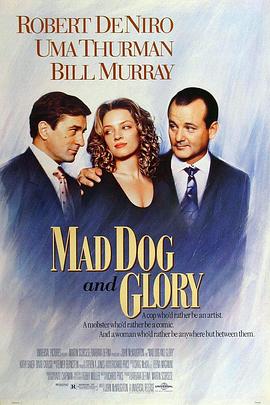
备注:已完结
类型:电影
主演:罗伯特·德尼罗 乌玛·瑟曼 比尔·默瑞 大卫·卡罗素 迈克·斯塔尔 汤
导演:约翰·麦克诺顿
语言:英语
年代:未知
简介:维恩(罗伯特·德尼罗 Robert De Niro 饰)是警局里的采证专家,个性温和而又善良的他从来不会在犯罪现场开枪,每当遇到对峙,他总会选择智取而非武力。一场意外中,维恩认识了黑社会老大法兰克(比尔·默瑞 Bill Murray 饰),法兰克对于维恩的智慧十分的赞赏,一来二去之中,两人成为了好友。 为了报答维恩的救命之恩,法兰克选中了自己的俱乐部中的一名酒保格罗丽(乌玛·瑟曼 Uma Thurman 饰),将格罗丽作为礼物送给维恩,在一个星期的期限里,维恩可以随意的“使用”格罗丽,无论用她来干什么。然而,维恩在无数个选择中选了最糟的那一个,他爱上了格罗丽。
-
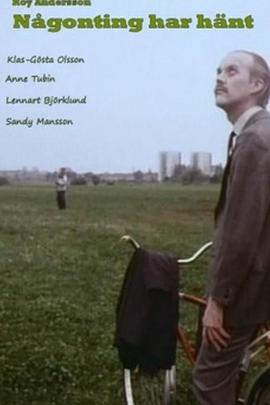
备注:已完结
类型:电影
主演:Klas-Gösta Olsson Anne Tubin Lennar
导演:罗伊·安德森
语言:其它
年代:未知
简介:1986年,瑞典国家健康与福利部委托导演罗伊·安德森就艾滋病题材拍摄一部教育影片,以便在学校和军队向学生和新兵传播艾滋病源头和防御的信息。但在电影拍摄期间,健康与福利部要求安德森终止该项目。原因是他们观看了已拍摄部分的素材,并对影片里信息的可靠性和拍摄风格提出了质疑。安德森并未遵循,而是凭几之力完成了该部电影。 关于艾滋病的起源,影片采用了阴谋论式的论调。在它的描述中,艾滋病病毒并非起源于非洲并由动物传播给人类,而是由美国科学家在实验室中创造出来,并随后应用于人体实验。今天,这部电影被看做是罗伊·安德森个人风格形成中的重要一步。
-
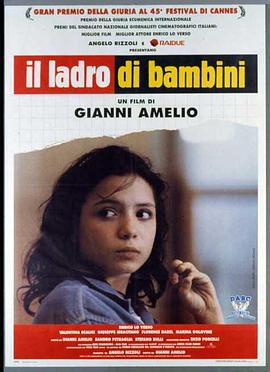
备注:已完结
类型:电影
主演:恩里克·洛维索 Valentina Scalici Giuseppe
导演:吉安尼·阿梅利奥
语言:其它
年代:未知
简介:罗塞塔(瓦伦蒂娜•斯卡里希 Valentina Scalici 饰)和卢恰诺(朱塞佩•伊拉西塔诺 Giuseppe Ieracitano 饰)是一对相依为命的姐弟,她们的母亲因为逼女儿卖淫而锒铛入狱。此事遭媒体曝光后,两人随后被两个警察送上了去孤儿院的列车。其中一个警察因事先行告退,将姐弟俩托付给警察安东尼奥(恩里克•洛维索 Enrico Lo Verso 饰)独自看护。姐姐背负着雏妓的心理压力,但是弟弟却总是我行我素,两人常常发生争执。安东尼奥总是默默旁观,小心翼翼地呵护着两颗稚嫩的童心。在经历了抢劫、酒店驱逐,学校开除、哮喘疾病等一连串霉运后,安东尼奥似乎跟姐弟俩建立一种亦父亦友的关系,然而一张报纸却让他们的世界陷入崩溃的边缘…… 本片获第45届戛纳电影节评委会大奖。
-
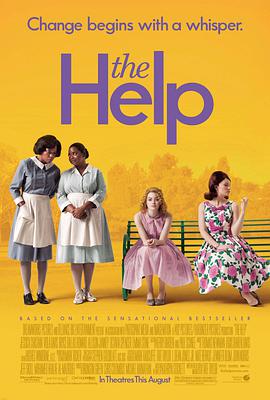
备注:已完结
类型:电影
主演:艾玛·斯通 维奥拉·戴维斯 布莱丝·达拉斯·霍华德 奥克塔维亚·斯宾瑟
导演:泰特·泰勒
语言:
年代:未知
简介:上世纪60年代,在密西西比州,黑佣艾比里恩(维奥拉•戴维斯ViolaDavis饰)勤勤恳恳照顾女主人的女儿,后者因产后抑郁症只顾与闺蜜贪欢。密西西比大学毕业生斯基特(艾玛•斯通EmmaStone饰)在报社负责家庭主妇信箱,并由此开始黑佣的生存状态。其中,希利(布莱丝•达拉斯•霍华德BryceDallasHoward饰)无疑是反面教材,她态度傲慢,对黑佣米妮(奥克塔维亚•斯宾瑟OctaviaSpencer饰)抱有偏见,并力主黑佣不能与主人共用厕所。最终因不堪受辱,米妮愤然离去,并以牙还牙,假借道歉之机让她蒙羞。斯基特开始采访艾比里恩和米妮,希望了解黑佣的生存状态,并为自己的新书积累素材。与此同时,马丁路德金领导的平权运动正在如火如荼地开展,而斯基特所在的密西西比州正是斗争的前沿,因为黑人遭射杀的血案,种族隔离开始,一场肤色之争在所难免……
-
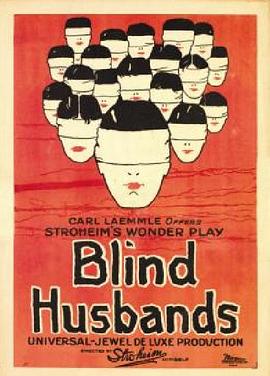
备注:已完结
类型:电影
主演:萨姆·德·格拉斯 Francelia Billington 埃里克·冯
导演:埃里克·冯·施特罗海姆
语言:英语
年代:未知
简介:Two differences between this Austrian version and the generally available American version are immediately obvious they differ both in their length and in the language of the intertitles. The American version is only 1,883 metres long - at 18 frames per second a difference of some 7 minutes to the Austrian version with 2,045 metres. Whereas we originally presumed only a negligible difference, resulting from the varying length of the intertitles, a direct comparison has nevertheless shown that the Austrian version differs from the American version both in the montage and in the duration of individual scenes. Yet how could it happen that the later regional distribution of a canonical US silent film was longer than the original version The prevalent American version of Blind Husbands does not correspond to the version shown at the premiere of 1919. This little-known fact was already published by Richard Koszarski in 1983. The film was re-released by Universal Pictures in 1924, in a version that was 1,365 feet (416 metres) shorter. At 18 frames per second, this amounts to a time difference of 20 minutes! Titles were altered, snippets of action removed and at least one major scene taken out entirely, where von Steuben and Margaret visit a small local chapel. (Koszarski) From the present state of research we can assume that all the known American copies of the film derive from this shortened re-release version, a copy of which Universal donated to the Museum of Modern Art in 1941. According to Koszarski the original negative of the film was destroyed sometime between 1956 and 1961 and has therefore been irretrievably lost. This information casts an interesting light on the Austrian version, which can be dated to the period between the summer of 1921 and the winter of 1922. Furthermore, the copy is some 200 metres longer than the US version of 1924. If one follows the details given by Richard Koszarski and Arthur Lennig, this means that, as far as both its date and its length are concerned, the Austrian version lies almost exactly in the middle between the (lost) version shown at the premiere and the re-released one.A large part of the additional length of the film can be traced to cuts that were made to the 1924 version in almost every shot. Koszarski describes how the beginning and the end of scenes were trimmed, in order to speed up the film. However, more exciting was the discovery that the Austrian version contains shots that are missing in the American one - shotscountershots, intertitles - and furthermore shows differences in its montage (i.e. the placing of the individual shots within a sequence). All this indicates that Die Rache der Berge constitutes the oldest and most completely preserved material of the film.